
Budgeting
Budget-Friendly Habits That Save Money Every Month
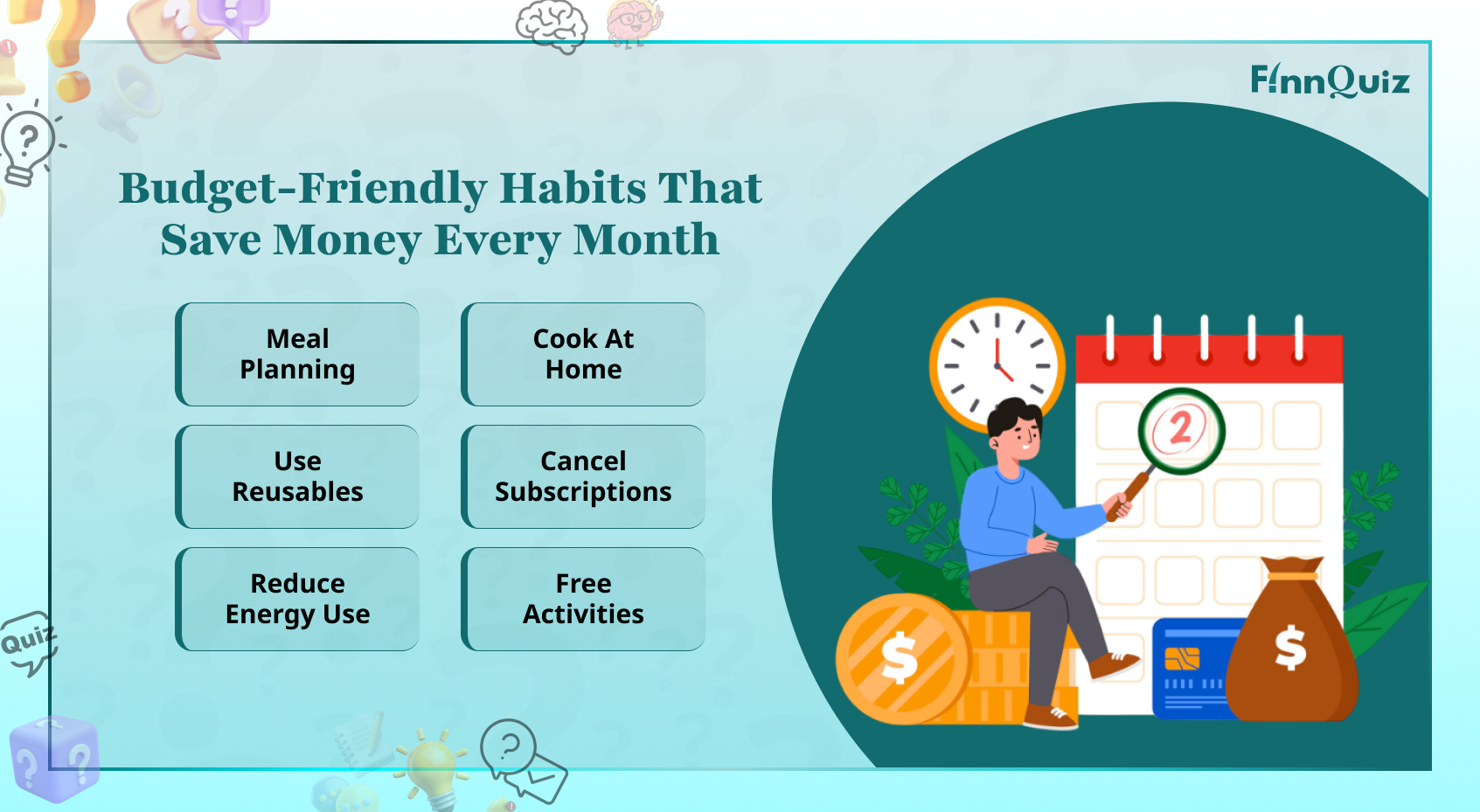
Saving money doesn't require major lifestyle changes. Often, it's the small financial habits you practice every day that make the biggest difference. By being more mindful of your spending and making smarter choices, you can build savings month after month without feeling restricted.
Whether you're trying to grow your emergency fund, pay off debt, or simply spend less, these budget-friendly habits can help you improve your financial health over time.
Create a Monthly Budget
Start each month by planning your income, essential expenses, savings, and discretionary spending. A budget gives every dollar a purpose and helps prevent unnecessary purchases.
Track Every Expense
Recording your daily expenses helps you understand where your money is going. You may discover small purchases that add up over time and identify opportunities to save.
Shop with a List
Before going grocery shopping or visiting stores, prepare a shopping list and stick to it. This simple habit reduces impulse buying and keeps your spending under control.
Cook More Meals at Home
Preparing meals at home is usually much less expensive than eating out frequently. Planning meals ahead also helps reduce food waste.
Automate Your Savings
Set up automatic transfers to your savings account each payday. Saving first ensures that building wealth becomes a regular habit rather than an afterthought.
Review Subscriptions
Take time every few months to review your subscriptions and memberships. Cancel services you no longer use to free up money for more important financial goals.
Avoid Impulse Purchases
Before buying non-essential items, wait at least 24 hours. This cooling-off period helps you decide whether the purchase is truly necessary.
Simple Habits That Save Money
- Follow a monthly budget.
- Track daily expenses.
- Shop with a prepared list.
- Cook more meals at home.
- Automate monthly savings.
- Review subscriptions regularly.
- Wait before making impulse purchases.
- Compare prices before buying.
- Reduce food waste.
- Set monthly savings goals.
Benefits of Budget-Friendly Habits
Practicing these habits consistently helps reduce unnecessary spending, increases savings, lowers financial stress, and creates long-term financial stability. Small improvements today can lead to significant financial progress in the future.
FAQs
Do small saving habits really make a difference?
Yes. Small savings made consistently every month can grow into substantial amounts over time.
What is the easiest budgeting habit to start with?
Tracking your expenses is one of the easiest and most effective habits because it helps you understand your spending patterns.
Should I save before paying other expenses?
Many people find success by treating savings as a regular monthly expense and setting aside money as soon as they receive income.
How often should I review my budget?
Review your budget every month and update it whenever your income, expenses, or financial goals change.