
Credit
Common Credit Score Myths Explained
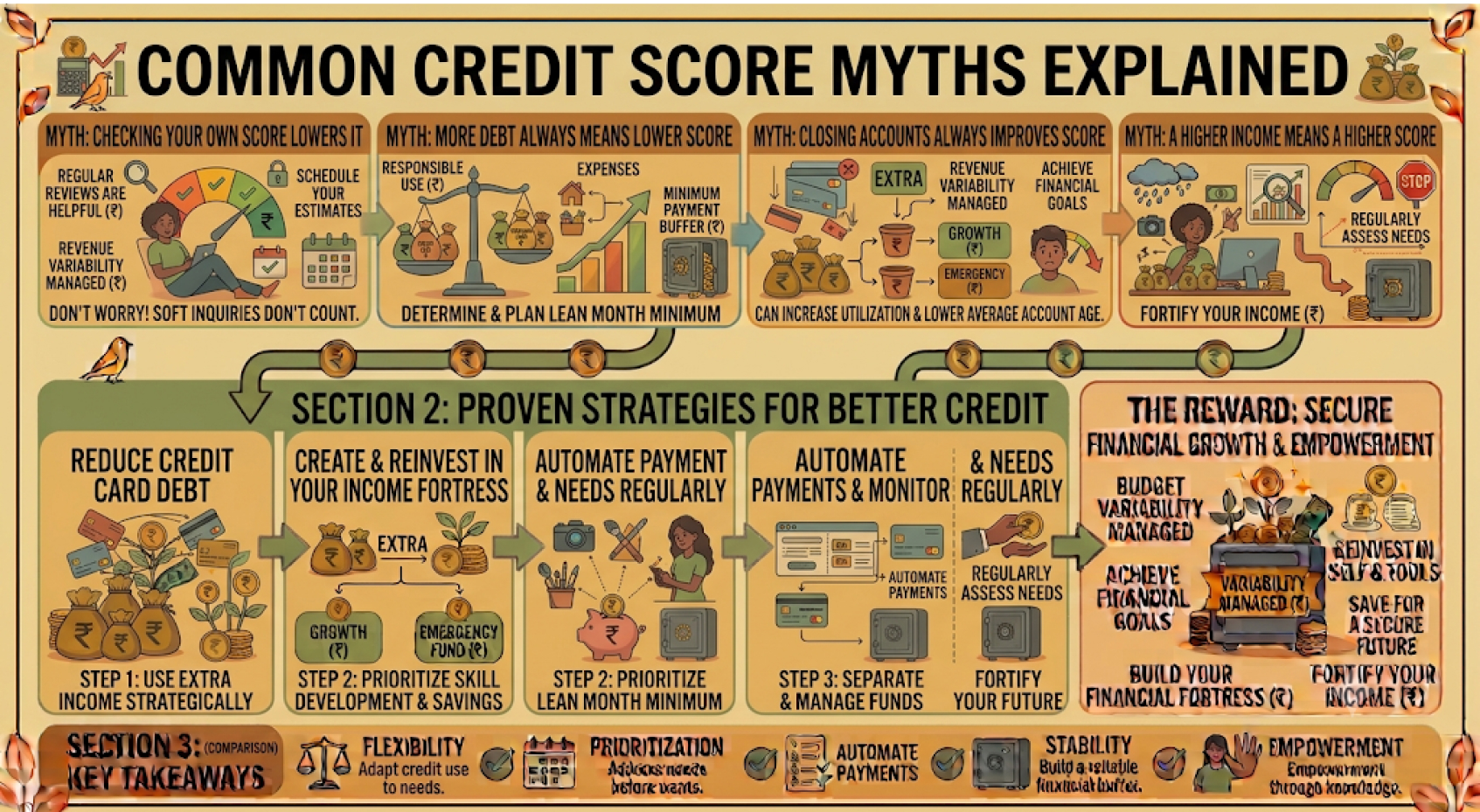
Credit scores play an important role in many financial decisions, but there are also many myths surrounding how they work. Believing incorrect information can lead to poor financial choices and make it harder to build or maintain good credit.
Understanding the facts behind common credit score myths helps you make smarter borrowing decisions and improve your financial health over time.
Myth 1: Checking Your Own Credit Score Lowers It
This is one of the most common myths. Checking your own credit score is usually considered a soft inquiry, which generally does not affect your credit score. Regularly reviewing your credit can help you monitor your financial health.
Myth 2: Closing Old Credit Cards Always Improves Your Score
Closing older accounts may actually reduce the average age of your credit history and could increase your credit utilization ratio, depending on your overall credit profile.
Myth 3: Carrying a Credit Card Balance Improves Your Score
You do not need to carry a balance to build good credit. Paying your credit card balance in full and on time demonstrates responsible credit management without paying unnecessary interest.
Myth 4: A High Income Guarantees a High Credit Score
Income and credit scores are not the same. Your credit score is primarily influenced by factors such as payment history, credit utilization, credit history length, and responsible borrowing.
Myth 5: One Late Payment Will Ruin Your Credit Forever
A late payment can negatively affect your credit, but responsible financial behavior afterward can help your score recover over time. Consistent on-time payments remain the best strategy.
Tips for Building a Healthy Credit Score
- Pay all bills on time.
- Keep credit card balances low.
- Review your credit reports regularly.
- Avoid applying for unnecessary credit.
- Maintain older credit accounts when appropriate.
- Use credit responsibly and consistently.
- Monitor your credit score periodically.
- Correct any errors found in your credit report.
Why Understanding Credit Myths Matters
Knowing how credit scores actually work helps you make informed financial decisions, qualify for better loan terms, and avoid costly mistakes based on misinformation.
FAQs
Does checking my own credit score reduce my score?
Generally, no. Checking your own credit score is usually a soft inquiry and does not negatively affect your credit score.
Should I keep a balance on my credit card to improve my credit?
No. Paying your balance in full and on time is generally better than carrying a balance and paying unnecessary interest.
Does income determine my credit score?
No. Credit scores are based mainly on your credit history and borrowing behavior, not your salary or income.
Can my credit score improve after late payments?
Yes. Making consistent on-time payments and managing credit responsibly can gradually improve your credit score over time.