
Economics
How Inflation Affects Your Daily Life
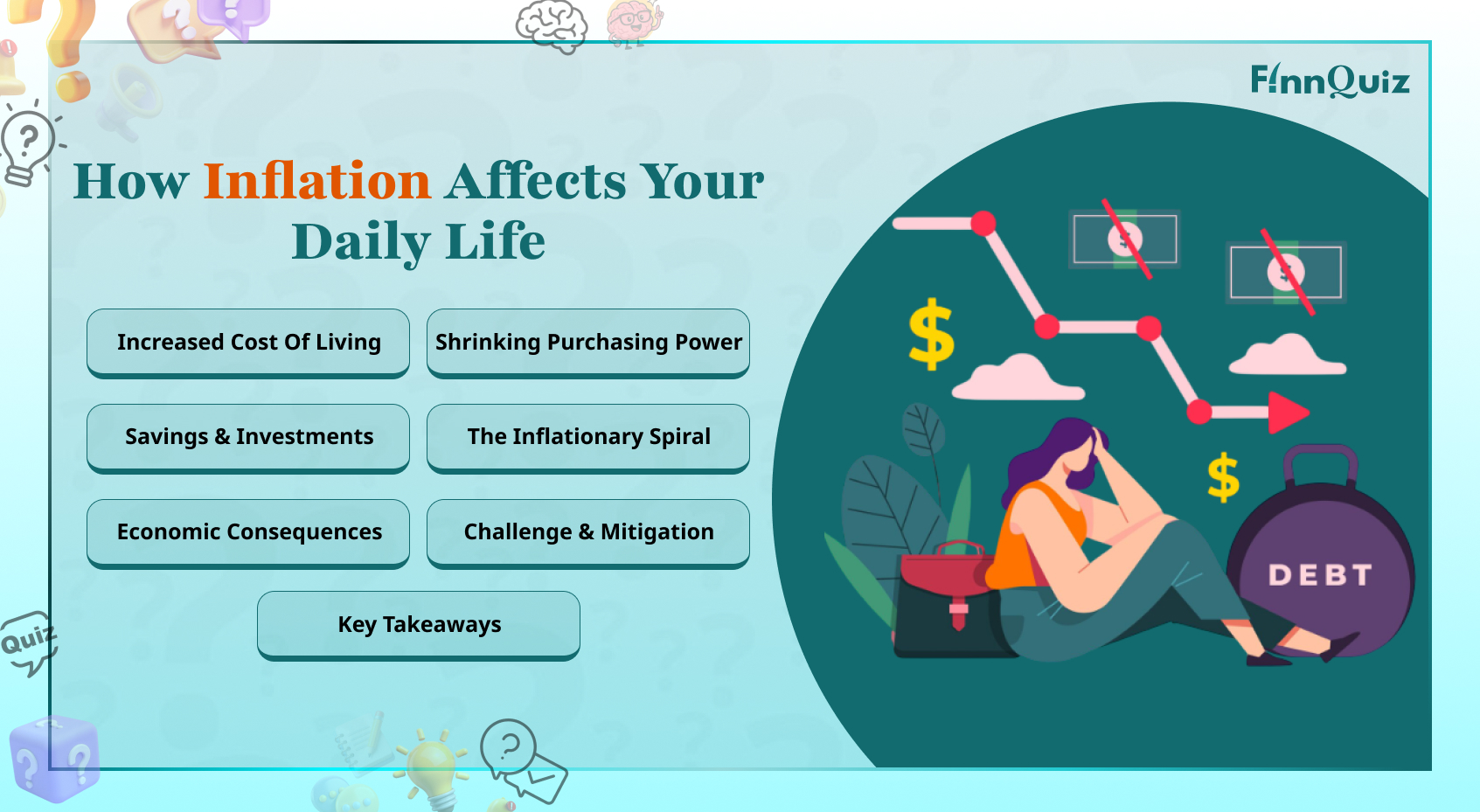
Inflation is the gradual increase in the prices of goods and services over time. As prices rise, the purchasing power of your money decreases, meaning the same amount of money buys fewer items than before. Inflation affects nearly everyone because it influences the cost of everyday necessities such as food, transportation, housing, and healthcare.
While moderate inflation is considered a normal part of a growing economy, high inflation can make it more difficult to manage your budget and achieve long-term financial goals. Understanding how inflation works helps you make better financial decisions.
What Is Inflation?
Inflation measures the rate at which the average prices of goods and services increase over time. When inflation rises, each unit of currency buys fewer goods and services, reducing its purchasing power.
Higher Everyday Expenses
One of the most noticeable effects of inflation is the increase in the cost of daily essentials. Groceries, fuel, electricity, transportation, rent, and medical expenses often become more expensive, requiring households to spend more on the same items.
Reduced Purchasing Power
As prices rise, your income may not increase at the same pace. This means your salary or savings may not stretch as far as they once did, making it harder to maintain your standard of living.
Impact on Savings
Money kept in a savings account with low interest may lose value over time if inflation grows faster than the interest earned. This is why many people consider long-term investment options that have the potential to outpace inflation.
Effect on Borrowing
Inflation can influence interest rates. When inflation rises significantly, central banks may increase interest rates, making loans, mortgages, and other borrowing more expensive.
Changes in Budgeting
Higher prices may require you to adjust your monthly budget by reducing non-essential spending, comparing prices, or finding ways to increase your income.
How to Manage Inflation
- Review and update your monthly budget regularly.
- Build an emergency fund.
- Reduce unnecessary spending.
- Compare prices before making purchases.
- Increase your savings and investments when possible.
- Look for opportunities to increase your income.
Why Understanding Inflation Matters
Inflation influences nearly every financial decision, from shopping and saving to investing and retirement planning. Knowing how inflation works helps you prepare for rising costs and protect your long-term financial well-being.
FAQs
What causes inflation?
Inflation can result from increased demand for goods and services, higher production costs, supply shortages, or changes in monetary policy.
Is inflation always bad?
No. Moderate inflation is generally considered normal in a healthy economy, but high inflation can reduce purchasing power and increase financial pressure.
How does inflation affect savings?
If your savings earn less interest than the inflation rate, the real value of your money decreases over time.
How can I protect myself from inflation?
Maintain a budget, build savings, invest wisely, reduce unnecessary expenses, and continue improving your financial skills.