
Banking
How Interest Works on Savings Accounts
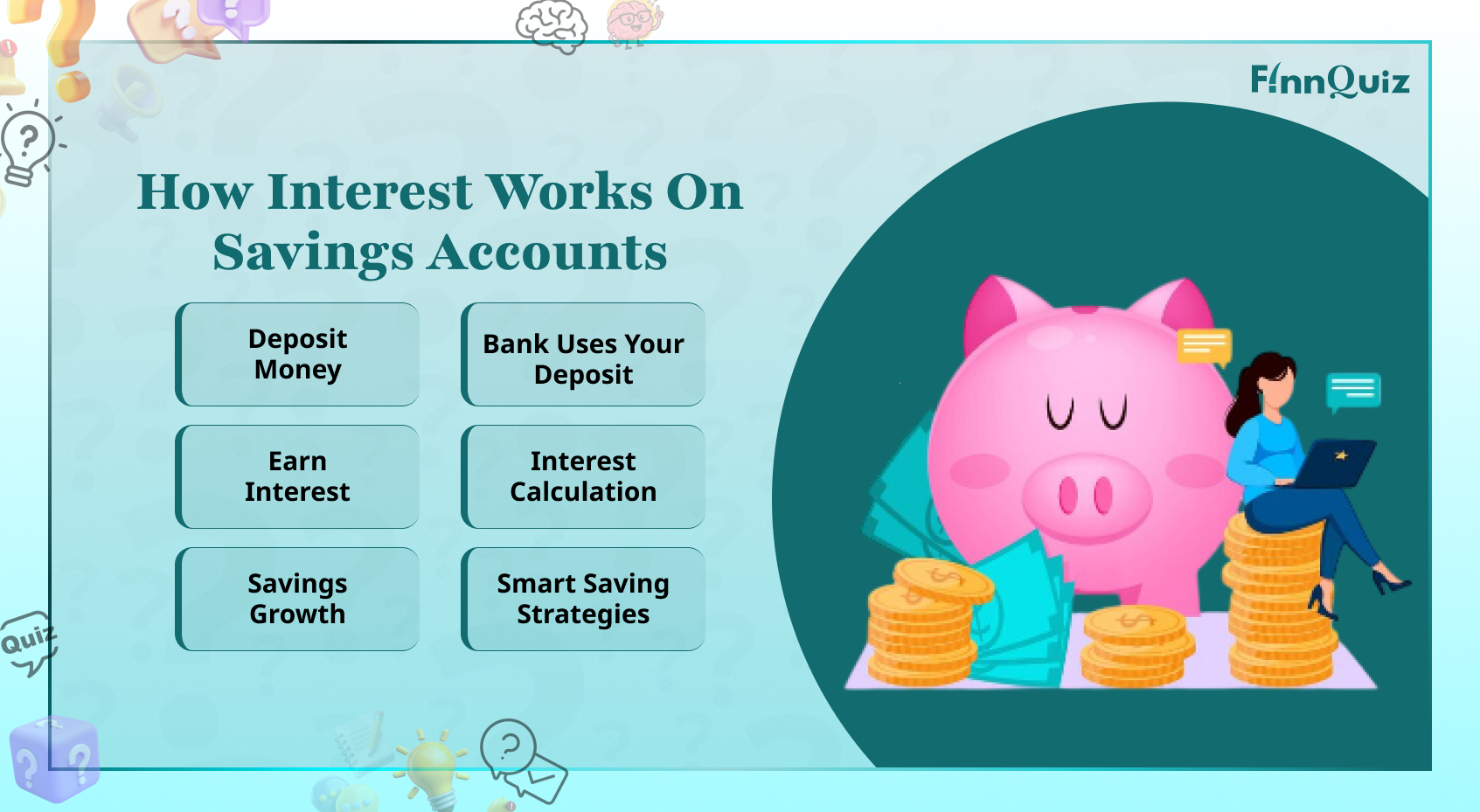
A savings account allows you to earn interest on the money you keep in the bank. Instead of your money sitting idle, the bank pays you a percentage of your balance as interest. Over time, this helps your savings grow with little effort.
The amount you earn depends on your account balance, the interest rate offered by the bank, and how frequently the interest is calculated and added to your account.
What Is Savings Account Interest?
Interest is the money a bank pays you for keeping your funds in a savings account. It is usually expressed as an annual percentage rate (APR) or annual percentage yield (APY), depending on how interest is calculated.
Simple Interest vs Compound Interest
Simple interest is calculated only on your original deposit. Compound interest is calculated on both your original deposit and the interest you've already earned, allowing your savings to grow faster over time.
How Banks Calculate Interest
Banks may calculate interest daily, monthly, quarterly, or annually. The more frequently interest is compounded, the more you can earn because interest begins earning additional interest.
Factors That Affect Your Earnings
- Your account balance.
- The bank's interest rate.
- How often interest is compounded.
- How long you keep your money in the account.
- Additional deposits you make over time.
Tips to Earn More Interest
- Maintain a higher account balance whenever possible.
- Choose accounts with competitive interest rates.
- Make regular deposits.
- Avoid unnecessary withdrawals.
- Compare different banks before opening an account.
Common Mistakes to Avoid
- Choosing an account without comparing interest rates.
- Withdrawing savings too frequently.
- Ignoring account fees that reduce earnings.
- Assuming all savings accounts offer the same returns.
- Leaving emergency savings in accounts that earn little or no interest.
Why Understanding Interest Matters
Knowing how savings account interest works helps you make smarter banking decisions. Even small differences in interest rates can lead to significantly higher savings over many years, especially when compound interest is involved.
FAQs
How often do banks pay interest on savings accounts?
It varies by bank. Interest may be calculated daily and paid monthly, quarterly, or annually depending on the account.
What is compound interest?
Compound interest means you earn interest on both your original deposit and the interest already added to your account.
Can I lose money in a savings account?
Your balance is generally safe, but fees or inflation may reduce the real value of your savings over time.
Does adding money regularly increase interest earnings?
Yes. Regular deposits increase your account balance, allowing you to earn more interest over time.