
Debt Management
How to Avoid Falling into Debt
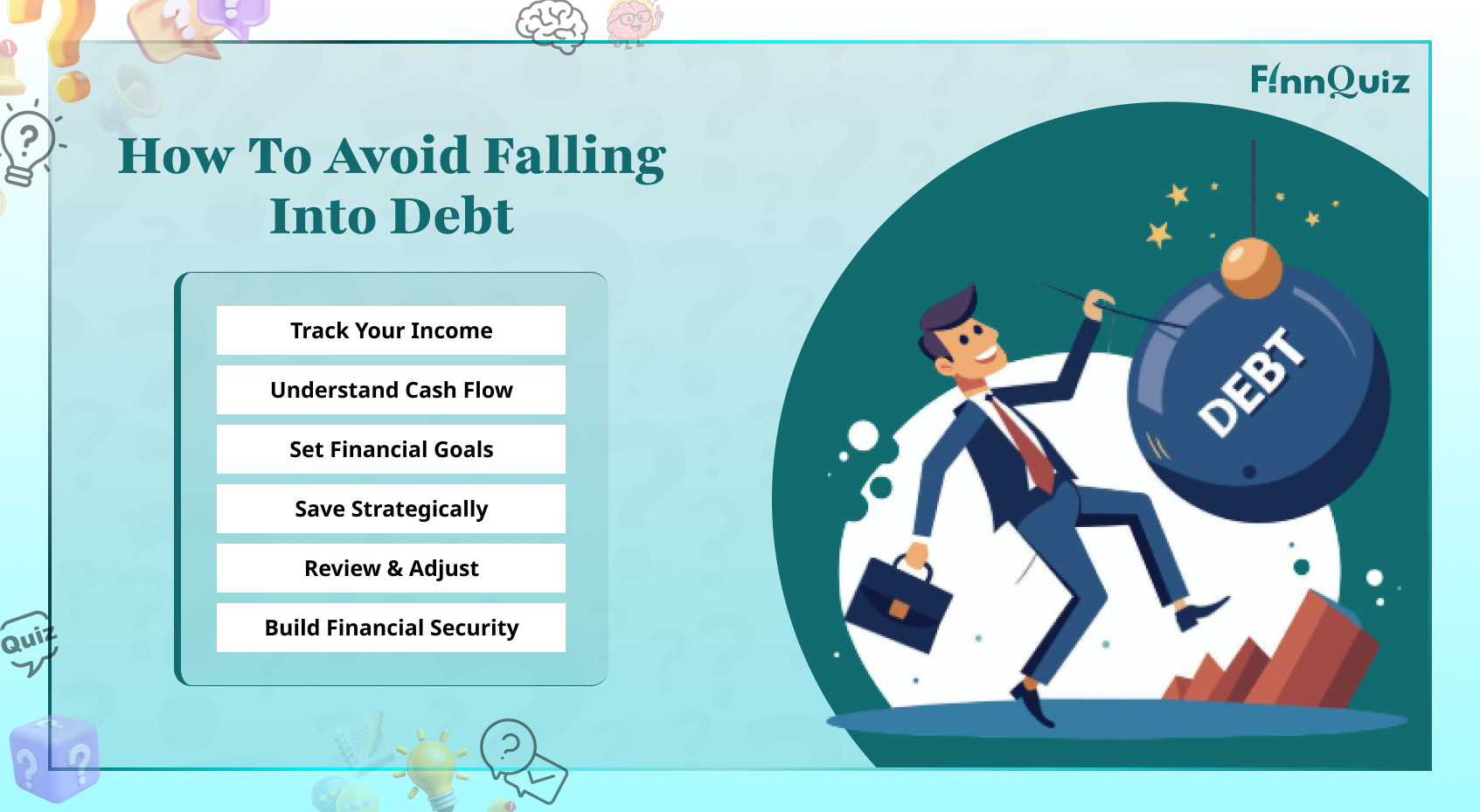
Debt is sometimes necessary for major purchases such as education or a home, but unnecessary borrowing can create long-term financial stress. Learning how to manage your money wisely can help you avoid debt and maintain financial stability.
The key to staying out of debt is spending within your means, planning ahead, and building healthy financial habits. Even small changes in your daily money management can make a significant difference over time.
Create a Realistic Budget
A monthly budget helps you understand your income and expenses. Knowing exactly where your money goes makes it easier to avoid overspending and unnecessary borrowing.
Build an Emergency Fund
Unexpected expenses are one of the biggest reasons people fall into debt. Saving money for emergencies allows you to cover surprise costs without relying on credit cards or loans.
Spend Less Than You Earn
Living within your income is one of the most effective ways to avoid debt. Before making a purchase, ask yourself if it fits comfortably within your budget.
Use Credit Responsibly
Credit cards and loans can be useful financial tools when managed properly. Borrow only what you can realistically repay and always make payments on time.
Avoid Impulse Purchases
Many unnecessary debts begin with impulse buying. Waiting 24 hours before making non-essential purchases gives you time to decide whether you truly need the item.
Track Your Spending
Regularly reviewing your expenses helps identify spending habits that may lead to financial problems. Small daily purchases can add up quickly if left unchecked.
Healthy Habits to Stay Debt-Free
- Create and follow a monthly budget.
- Build an emergency savings fund.
- Spend less than you earn.
- Pay bills on time.
- Avoid unnecessary loans.
- Use credit cards responsibly.
- Track your monthly expenses.
- Save regularly for future goals.
Benefits of Avoiding Debt
Staying out of unnecessary debt reduces financial stress, improves your credit profile, increases your ability to save and invest, and gives you greater financial freedom to achieve long-term goals.
FAQs
What is the best way to avoid debt?
Creating a budget, spending within your means, building an emergency fund, and borrowing responsibly are the most effective ways to avoid unnecessary debt.
Is all debt considered bad?
No. Some debt, such as education or home loans, can be beneficial when managed responsibly. Problems usually arise from excessive or unnecessary borrowing.
Why is an emergency fund important?
An emergency fund helps cover unexpected expenses without relying on loans or credit cards, reducing the risk of falling into debt.
Can budgeting really help prevent debt?
Yes. A budget helps you control spending, prioritize savings, and ensure you have enough money to cover essential expenses before making discretionary purchases.