
Budgeting
How to Budget on an Irregular Income
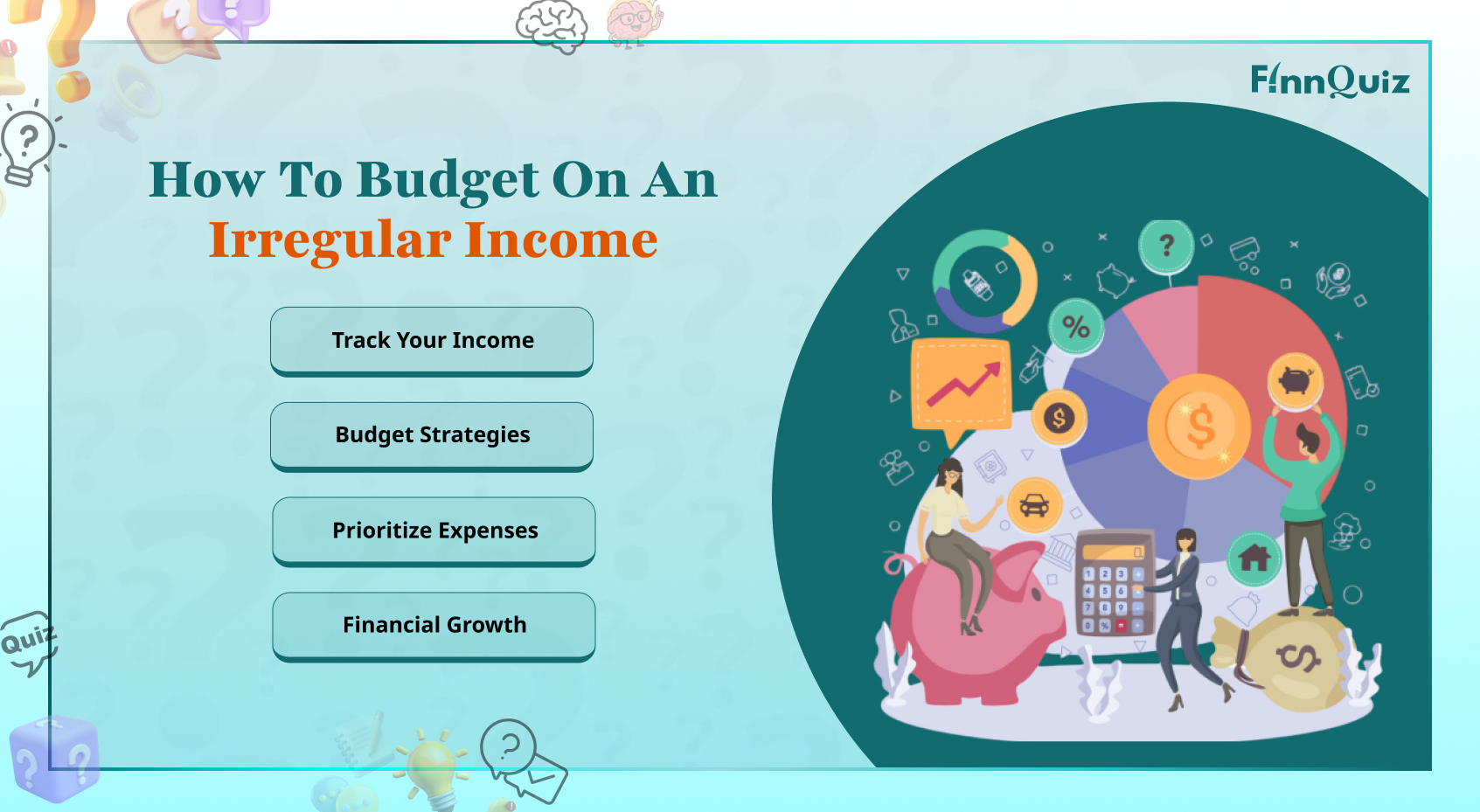
Managing money can be challenging when your income changes from month to month. Freelancers, self-employed professionals, seasonal workers, and commission-based employees often experience irregular income. Without a proper plan, it becomes difficult to pay bills, save money, and prepare for unexpected expenses.
The good news is that budgeting on an irregular income is possible. By planning around your lowest expected income and building smart financial habits, you can create stability even when your earnings fluctuate.
Know Your Average Monthly Income
Review your income over the past six to twelve months and calculate the average amount you earn. This gives you a realistic estimate for planning your budget instead of relying on your highest-paying months.
Budget Using Your Lowest Income
Instead of planning based on your best month, create your budget using the lowest amount you typically earn. This helps ensure your essential expenses remain affordable even during slower months.
Prioritize Essential Expenses
Cover necessities first, including housing, utilities, groceries, insurance, transportation, and debt payments. Once these are funded, you can allocate money to savings and discretionary spending.
Build an Emergency Fund
An emergency fund is especially important for people with irregular income. Aim to save several months of essential living expenses so you have financial support during periods of lower earnings.
Separate Business and Personal Finances
If you're self-employed or freelancing, keep separate bank accounts for business and personal expenses. This makes budgeting easier and helps you track income more accurately.
Save During High-Income Months
When you earn more than expected, avoid increasing your lifestyle immediately. Instead, save the extra money to help cover months when your income is lower.
Track Every Expense
Monitoring your spending helps you identify unnecessary expenses and adjust your budget as your income changes. Even small savings can make a big difference over time.
Review Your Budget Regularly
Since your income changes, your budget should change too. Review it at least once a month and adjust your spending and savings goals based on your current financial situation.
Tips for Budgeting with Irregular Income
- Calculate your average monthly income.
- Budget using your lowest expected income.
- Pay essential expenses first.
- Build and maintain an emergency fund.
- Save extra income during good months.
- Track all spending carefully.
- Separate business and personal finances.
- Review and adjust your budget every month.
Benefits of a Flexible Budget
A flexible budget helps reduce financial stress, prevents overspending, improves cash flow, and allows you to prepare for both high-income and low-income months. It also supports long-term financial goals by making saving and planning more consistent.
FAQs
How do I budget if my income changes every month?
Base your budget on your lowest expected monthly income and save extra money during higher-income months.
How much should I keep in an emergency fund?
A common goal is to save three to six months of essential living expenses, though the ideal amount depends on your personal situation.
Should I budget every month?
Yes. People with irregular income should review and adjust their budget monthly to match changes in earnings.
Can budgeting reduce financial stress?
Yes. A realistic budget helps you prepare for income fluctuations, avoid overspending, and feel more confident about your finances.