Banking
How to Choose the Right Bank Account
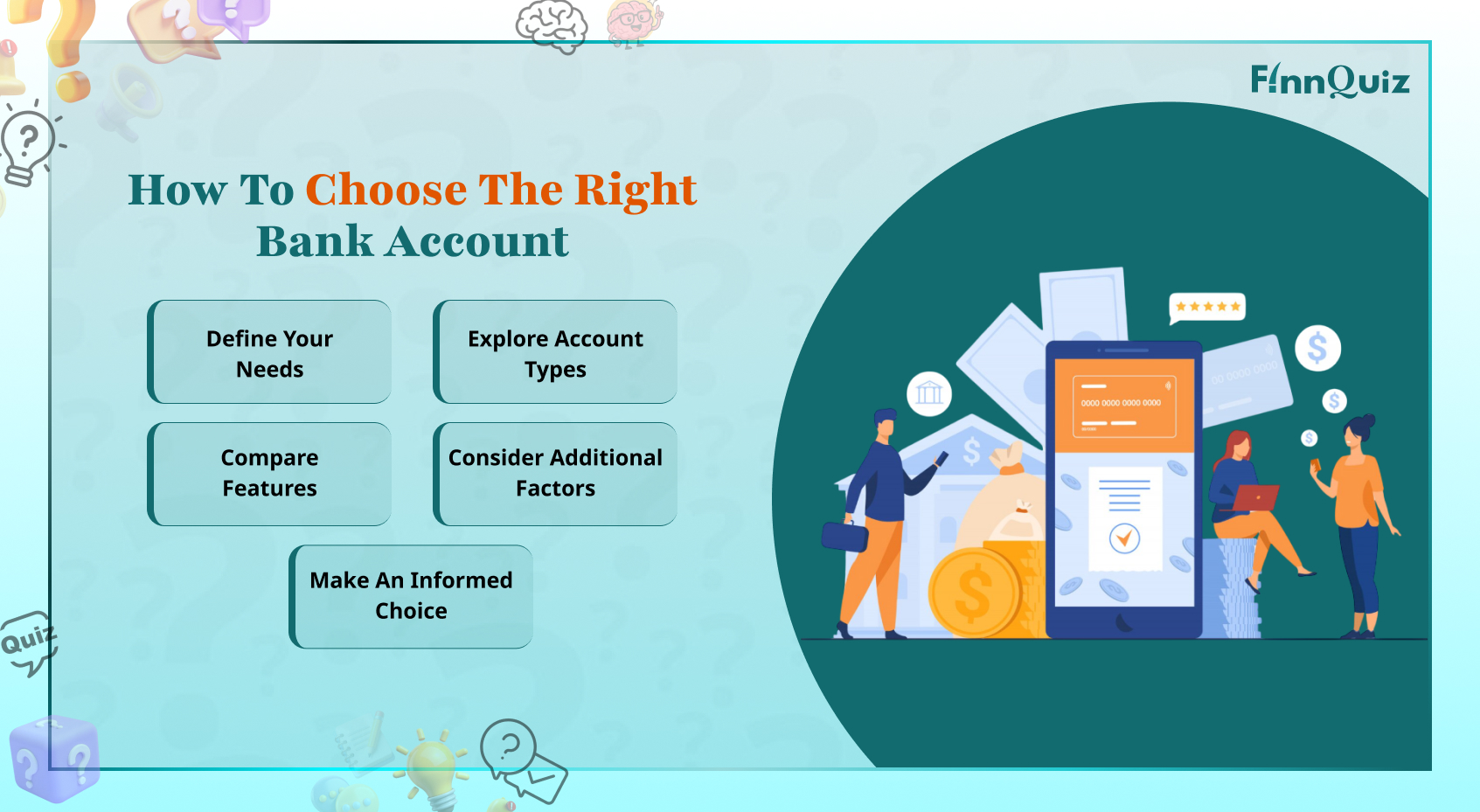
Choosing the right bank account is an important financial decision that can make managing your money easier and more efficient. Different bank accounts offer different features, fees, and benefits, so understanding your needs is the first step toward making the right choice.
Whether you're opening your first account or switching banks, comparing account features can help you save money, access convenient services, and achieve your financial goals.
Understand Different Types of Bank Accounts
Common account types include savings accounts for earning interest, checking or current accounts for daily transactions, and fixed deposit accounts for long-term savings. Choose the account that matches how you plan to use your money.
Compare Fees and Charges
Review monthly maintenance fees, ATM charges, minimum balance requirements, overdraft fees, and transaction costs. Lower fees help you keep more of your money.
Look for Convenient Banking Services
Choose a bank that offers online banking, a user-friendly mobile app, ATM access, digital payments, and customer support that fits your lifestyle.
Check Interest Rates
If you're opening a savings account, compare interest rates between banks. Higher interest rates can help your savings grow over time.
Consider Safety and Security
Select a reputable bank with strong security measures, fraud protection, secure online banking, and customer support for handling suspicious transactions.
Evaluate Additional Benefits
Some banks offer rewards programs, cashback, free transfers, budgeting tools, or discounted loan rates. Compare these extra features if they are important to you.
Read the Terms Carefully
Before opening an account, read the account agreement to understand withdrawal limits, minimum balance rules, fees, and other important conditions.
Checklist Before Opening a Bank Account
- Choose the account type that matches your needs.
- Compare monthly fees and service charges.
- Check minimum balance requirements.
- Review interest rates on savings accounts.
- Verify online and mobile banking features.
- Ensure convenient ATM and branch access.
- Look for strong security and fraud protection.
- Read all terms and conditions before signing.
Why Choosing the Right Account Matters
The right bank account helps you manage daily expenses, save more effectively, avoid unnecessary fees, and access financial services with confidence. Taking time to compare options today can save money and improve your banking experience for years to come.
FAQs
What is the difference between a savings account and a checking account?
A savings account is designed for saving money and earning interest, while a checking or current account is intended for everyday transactions and payments.
Should I choose the bank with the highest interest rate?
Interest rate is important, but you should also compare fees, customer service, digital banking features, and security before making your decision.
What fees should I watch out for?
Common fees include monthly maintenance charges, ATM fees, overdraft fees, minimum balance penalties, and transaction charges.
Can I have more than one bank account?
Yes. Many people use multiple accounts, such as one for everyday spending and another dedicated to savings or specific financial goals.