
Budgeting
How to Create a Budget That Actually Works
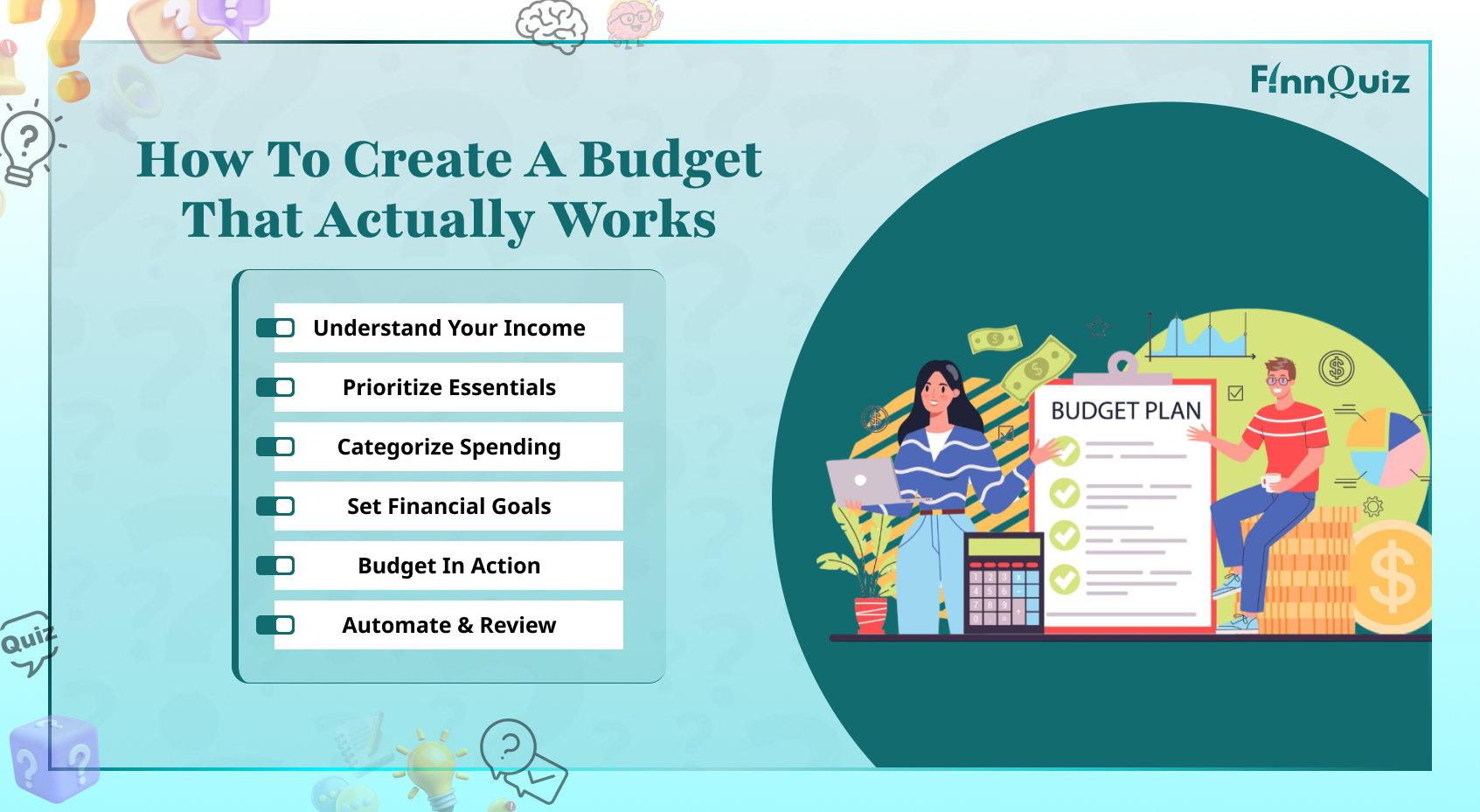
A budget is more than just a list of numbers—it's a plan that helps you control your money instead of wondering where it went. A realistic budget ensures your income covers your expenses while leaving room for savings and future goals.
The best budget is one that fits your lifestyle and is easy to follow consistently. Instead of creating strict rules that are difficult to maintain, focus on building a practical spending plan that works for your everyday life.
Calculate Your Monthly Income
Start by calculating all sources of monthly income, including your salary, freelance earnings, business income, or any other regular payments. Knowing your total income is the foundation of every successful budget.
Track Every Expense
Write down all of your monthly expenses. Include fixed expenses like rent and insurance, as well as variable expenses such as groceries, transportation, entertainment, and dining out.
Separate Needs from Wants
Prioritize essential expenses before spending on non-essential items. Understanding the difference between needs and wants helps prevent unnecessary spending and creates room for savings.
Set Savings Goals
Treat savings as a regular monthly expense. Whether you're building an emergency fund, saving for a vacation, or planning retirement, paying yourself first helps develop consistent saving habits.
Review and Adjust Your Budget
Life changes, and your budget should change with it. Review your budget every month to adjust for changes in income, expenses, or financial priorities.
Tips for a Budget That Works
- Track every expense honestly.
- Set realistic spending limits.
- Include savings in your monthly plan.
- Keep an emergency fund.
- Review your budget every month.
- Reduce unnecessary subscriptions.
- Avoid impulse purchases.
- Celebrate small financial milestones.
Common Budgeting Mistakes
- Setting unrealistic spending limits.
- Ignoring small daily expenses.
- Not tracking actual spending.
- Forgetting irregular yearly expenses.
- Giving up after one bad month.
Why a Good Budget Matters
A well-planned budget reduces financial stress, helps you avoid unnecessary debt, supports regular saving, and gives you greater confidence in managing your money. Consistency matters more than perfection.
FAQs
How often should I update my budget?
Review your budget at least once a month or whenever your income or expenses change significantly.
What if I don't follow my budget perfectly?
That's normal. Review what caused the difference, adjust your budget if needed, and continue following your financial plan.
Should I include savings in my budget?
Yes. Savings should be treated as a regular monthly expense to help you build long-term financial security.
What's the biggest budgeting mistake?
Creating a budget that is too restrictive or unrealistic often leads people to abandon it. A practical budget is easier to maintain.