
Personal Finance
How to Develop Healthy Money Habits
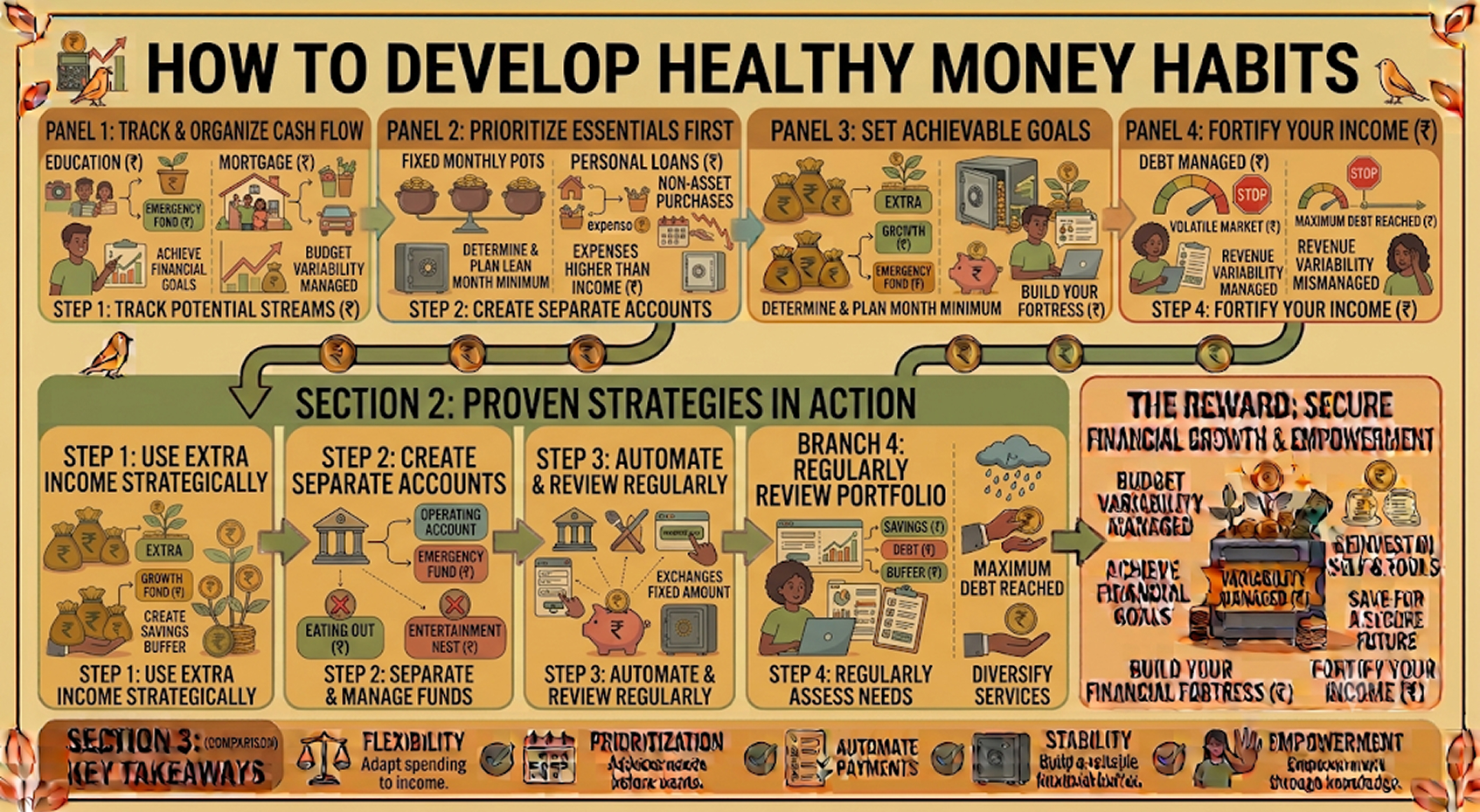
Healthy money habits are small financial behaviors that you practice consistently over time. While they may seem simple, these habits can lead to better financial decisions, reduced stress, and greater financial security in the future.
You don't need a high income to build good financial habits. Consistency, discipline, and thoughtful planning are often more important than how much money you earn.
Create and Follow a Budget
A monthly budget helps you understand where your money is going and ensures your spending aligns with your financial priorities. Review and update your budget regularly as your income and expenses change.
Pay Yourself First
Set aside money for savings before spending on non-essential items. Even small, regular contributions can grow into significant savings over time.
Track Your Expenses
Recording your daily or weekly expenses helps you identify spending patterns and eliminate unnecessary costs. Awareness is the first step toward better financial control.
Avoid Impulse Spending
Before making a non-essential purchase, take time to consider whether it fits your budget and financial goals. Waiting even one day can help reduce impulse buying.
Build an Emergency Fund
Unexpected expenses are a normal part of life. An emergency fund provides financial protection and reduces the need to rely on loans or credit cards during difficult times.
Review Your Financial Progress
Regularly checking your savings, spending, and financial goals helps you stay motivated and make adjustments when needed. Monthly reviews are often enough for most people.
Healthy Money Habits to Practice
- Create a realistic monthly budget.
- Save money consistently.
- Track your daily expenses.
- Pay bills on time.
- Avoid unnecessary debt.
- Limit impulse purchases.
- Set clear financial goals.
- Review your finances every month.
Benefits of Healthy Money Habits
Developing good money habits helps you build savings, reduce financial stress, improve budgeting skills, avoid unnecessary debt, and create a stronger foundation for long-term financial success.
FAQs
How long does it take to develop healthy money habits?
Everyone is different, but practicing consistent financial behaviors over several weeks or months can help turn them into lasting habits.
Do I need a high income to build good money habits?
No. Healthy money habits are based on how you manage your money, not how much you earn.
Why is tracking expenses important?
Tracking expenses helps you understand where your money goes, identify unnecessary spending, and make informed financial decisions.
What is the most important money habit?
Creating and following a realistic budget while consistently saving money are among the most valuable financial habits you can develop.