
Saving Money
How to Stop Impulse Buying and Save More
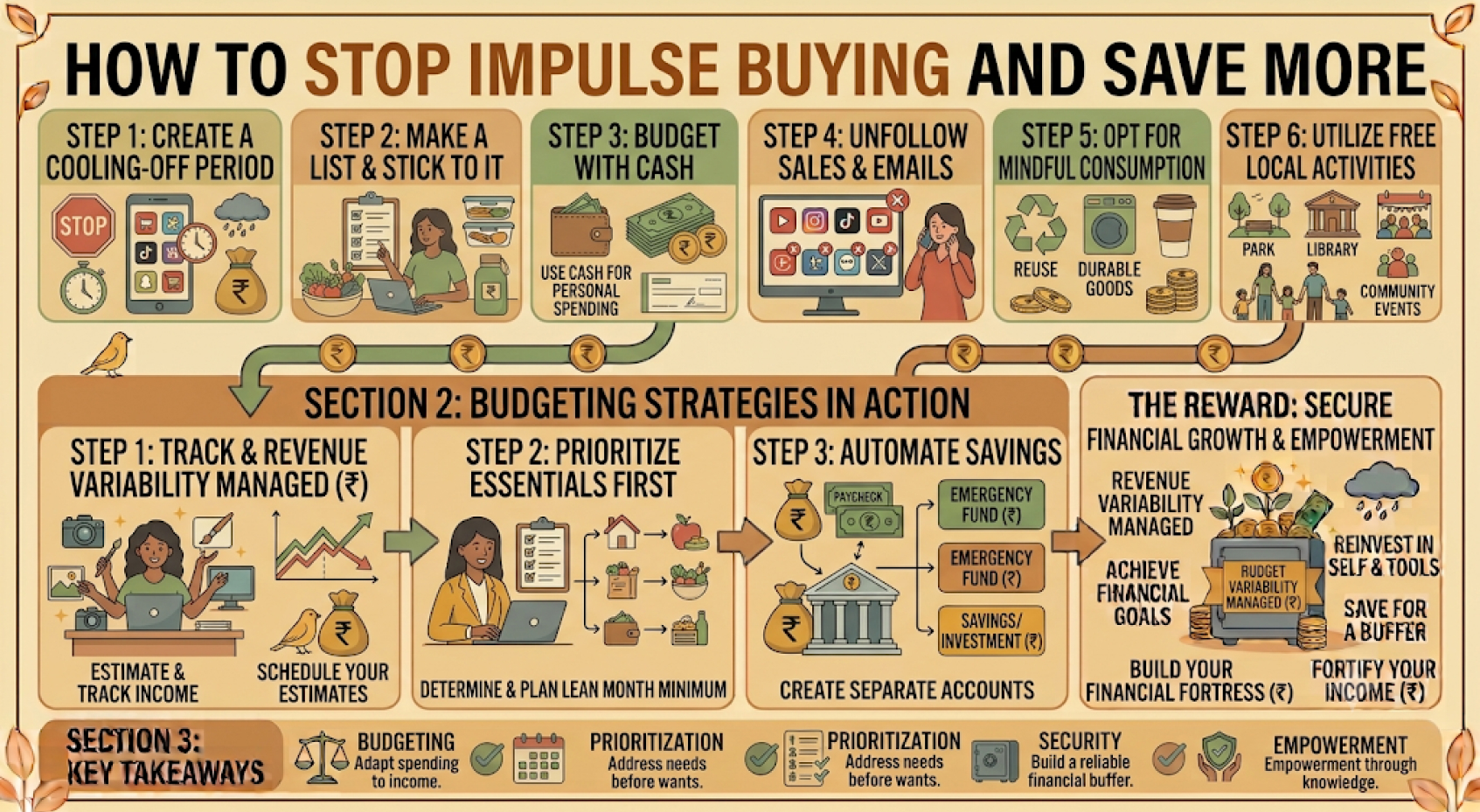
Impulse buying is one of the biggest obstacles to achieving financial goals. Whether it's online shopping, flash sales, or unplanned purchases at the checkout counter, these small expenses can quickly add up. Learning to control impulse spending helps you save more money and make better financial decisions.
The good news is that you don't have to stop shopping completely. By developing a few smart habits, you can avoid unnecessary purchases while still enjoying the things that truly matter.
Create a Monthly Budget
A budget gives every dollar a purpose. When you know how much you can spend each month, it becomes easier to avoid unnecessary purchases.
Follow the 24-Hour Rule
Before buying something that isn't essential, wait at least 24 hours. This cooling-off period often helps you realize that the purchase isn't necessary.
Shop with a List
Whether you're buying groceries or shopping online, prepare a list before you start. Stick to it to avoid adding unnecessary items to your cart.
Avoid Emotional Spending
Many impulse purchases happen because of stress, boredom, or excitement. Recognize these emotional triggers and find healthier alternatives like exercising, reading, or talking with friends.
Limit Online Shopping Temptations
Unsubscribe from promotional emails, disable shopping app notifications, and remove saved payment information to make impulse purchases less convenient.
Set Clear Savings Goals
Having a specific goal, such as building an emergency fund, taking a vacation, or buying a home, makes it easier to resist unnecessary spending.
Track Your Spending
Review your purchases every week. Identifying patterns helps you understand where your money goes and where you can cut back.
Simple Ways to Reduce Impulse Buying
- Create and follow a monthly budget.
- Wait 24 hours before making non-essential purchases.
- Always shop with a list.
- Avoid shopping when you're emotional.
- Turn off promotional notifications.
- Set meaningful savings goals.
- Track every purchase.
- Compare prices before buying.
- Use cash for discretionary spending when possible.
- Reward yourself only after reaching financial milestones.
Benefits of Controlling Impulse Spending
Reducing impulse purchases helps you save more money, stay within your budget, reduce financial stress, and reach important financial goals faster. Over time, these small changes can significantly improve your overall financial well-being.
FAQs
What is impulse buying?
Impulse buying is making unplanned purchases without carefully considering whether you actually need the item.
Does the 24-hour rule really work?
Yes. Waiting before purchasing gives you time to think logically instead of making an emotional decision.
How can I stop shopping online so often?
Remove saved payment methods, unsubscribe from marketing emails, and avoid browsing shopping websites when you're bored.
Can small impulse purchases really affect my finances?
Absolutely. Frequent small purchases can add up to hundreds or even thousands of dollars over a year.