
Investing
Investment Mistakes Every Beginner Should Avoid
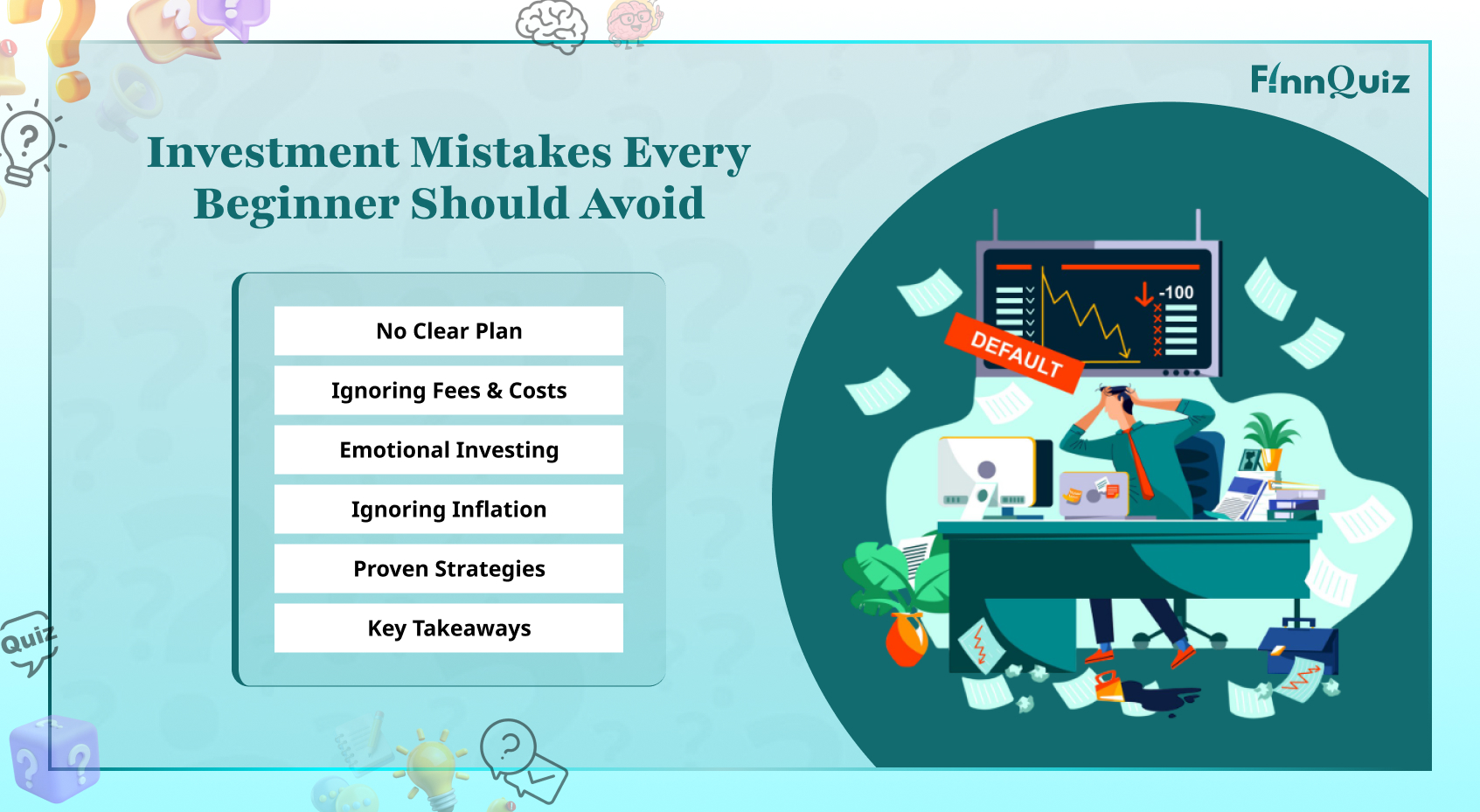
Investing is one of the best ways to grow your wealth over time, but beginners often make avoidable mistakes that reduce returns or increase financial risk. Understanding these common errors can help you make better investment decisions and stay focused on your long-term goals.
Successful investing is less about finding the perfect investment and more about developing patience, discipline, and a well-planned strategy.
Investing Without a Goal
Before investing, define your financial objectives. Whether you're saving for retirement, buying a home, or building wealth, clear goals help you choose suitable investments.
Trying to Time the Market
Attempting to predict market highs and lows is extremely difficult. Investing consistently over time is often more effective than waiting for the 'perfect' moment.
Ignoring Diversification
Putting all your money into a single stock or asset increases risk. Diversifying across different investments can reduce potential losses.
Letting Emotions Control Decisions
Fear during market declines and excitement during market rallies can lead to poor investment decisions. Following a long-term plan helps avoid emotional investing.
Not Researching Investments
Always understand what you're investing in. Learn about the risks, potential returns, fees, and how the investment fits your financial goals.
Ignoring Investment Costs
Management fees, trading commissions, and taxes can reduce your overall returns. Comparing costs before investing can improve long-term performance.
Stopping Investments Too Soon
Building wealth takes time. Selling investments after short-term market fluctuations can prevent you from benefiting from long-term growth.
Smart Investing Habits
- Set clear financial goals before investing.
- Diversify your investment portfolio.
- Invest consistently over time.
- Research before making investment decisions.
- Avoid emotional buying and selling.
- Review your portfolio periodically.
- Understand investment risks.
- Focus on long-term growth instead of short-term market movements.
Why Avoiding These Mistakes Matters
Avoiding common investment mistakes helps protect your capital, improve long-term returns, reduce unnecessary risks, and build confidence as you continue your investing journey.
FAQs
What is the biggest mistake beginner investors make?
Many beginners invest without clear goals or allow emotions to influence their decisions during market ups and downs.
Why is diversification important?
Diversification spreads risk across different investments, helping reduce the impact of poor performance from a single asset.
Should beginners try to predict the stock market?
Generally, no. Consistent long-term investing is often more effective than attempting to time market movements.
How often should I review my investments?
Reviewing your portfolio every few months or annually is usually sufficient unless your financial goals or circumstances change significantly.