
Personal Finance
Personal Finance Basics Everyone Should Know
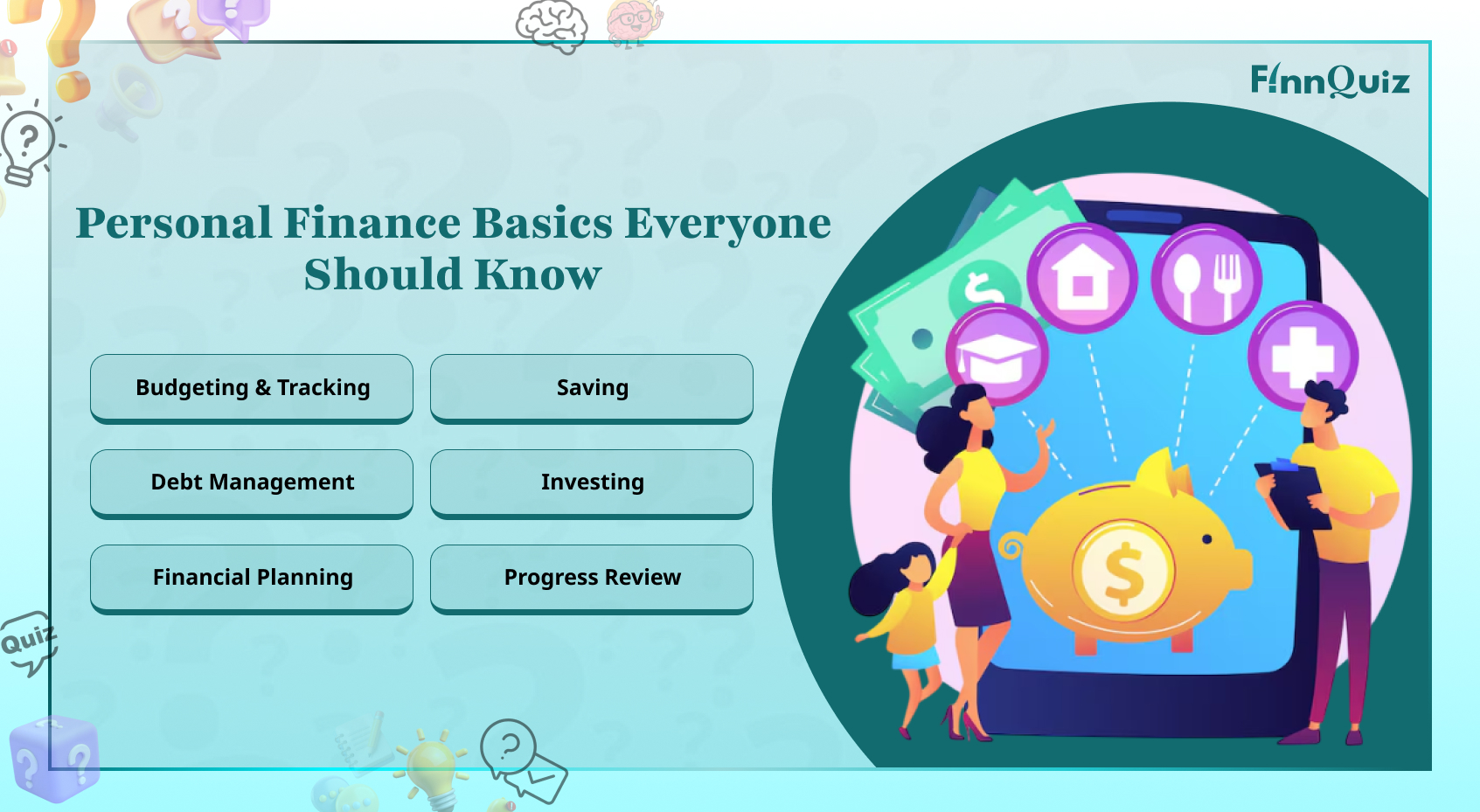
Personal finance is the process of managing your money wisely so you can meet your current needs while preparing for the future. It includes budgeting, saving, investing, borrowing responsibly, and planning for financial goals. Understanding these basics helps you make informed decisions and build long-term financial security.
You don't need to be a financial expert to manage your money effectively. Developing a few healthy financial habits and understanding key concepts can make a significant difference over time.
Create a Budget
A budget helps you understand where your money comes from and where it goes. List your monthly income, essential expenses, savings, and discretionary spending. Reviewing your budget regularly helps you stay in control of your finances.
Build an Emergency Fund
Unexpected expenses can happen at any time. An emergency fund provides financial security by helping you cover costs such as medical bills, vehicle repairs, or temporary loss of income without relying on debt.
Save Regularly
Saving consistently is one of the most important financial habits. Even small amounts saved each month can grow over time and help you achieve goals such as buying a home, traveling, or planning for retirement.
Understand Debt
Not all debt is harmful, but borrowing should always be done responsibly. Pay your bills on time, avoid unnecessary high-interest debt, and borrow only what you can comfortably repay.
Learn the Basics of Investing
Investing allows your money to grow over time and can help you achieve long-term financial goals. Understanding concepts such as risk, diversification, and compound growth helps you make better investment decisions.
Protect Yourself with Insurance
Insurance helps protect your finances from unexpected events such as accidents, illness, or property damage. The right insurance coverage can prevent major financial setbacks.
Set Financial Goals
Financial goals provide direction for your money. Set short-term, medium-term, and long-term goals, then create a realistic plan to achieve them through budgeting, saving, and investing.
Continue Learning
Financial knowledge evolves over time. Reading books, following trusted financial resources, and improving your money management skills can help you make smarter financial decisions throughout your life.
Essential Personal Finance Principles
- Create and follow a monthly budget.
- Spend less than you earn.
- Build an emergency fund.
- Save consistently.
- Manage debt responsibly.
- Learn basic investing principles.
- Protect yourself with insurance.
- Set clear financial goals.
- Review your finances regularly.
- Continue improving your financial knowledge.
Benefits of Good Personal Finance
Strong personal finance habits reduce financial stress, improve financial security, help you achieve life goals, prepare you for emergencies, and create opportunities to build long-term wealth.
FAQs
What is personal finance?
Personal finance refers to managing your income, expenses, savings, investments, debt, and financial goals to achieve long-term financial well-being.
Why is budgeting important?
Budgeting helps you control spending, save consistently, and make informed financial decisions.
How much should I save each month?
The amount depends on your income and expenses. Saving consistently, even if it's a small amount, is more important than waiting until you can save a large sum.
When should I start learning about personal finance?
The earlier you start, the better. Building good financial habits early gives you more time to save, invest, and achieve your financial goals.