
Behavioral Finance
The Psychology of Spending: Why We Buy Things
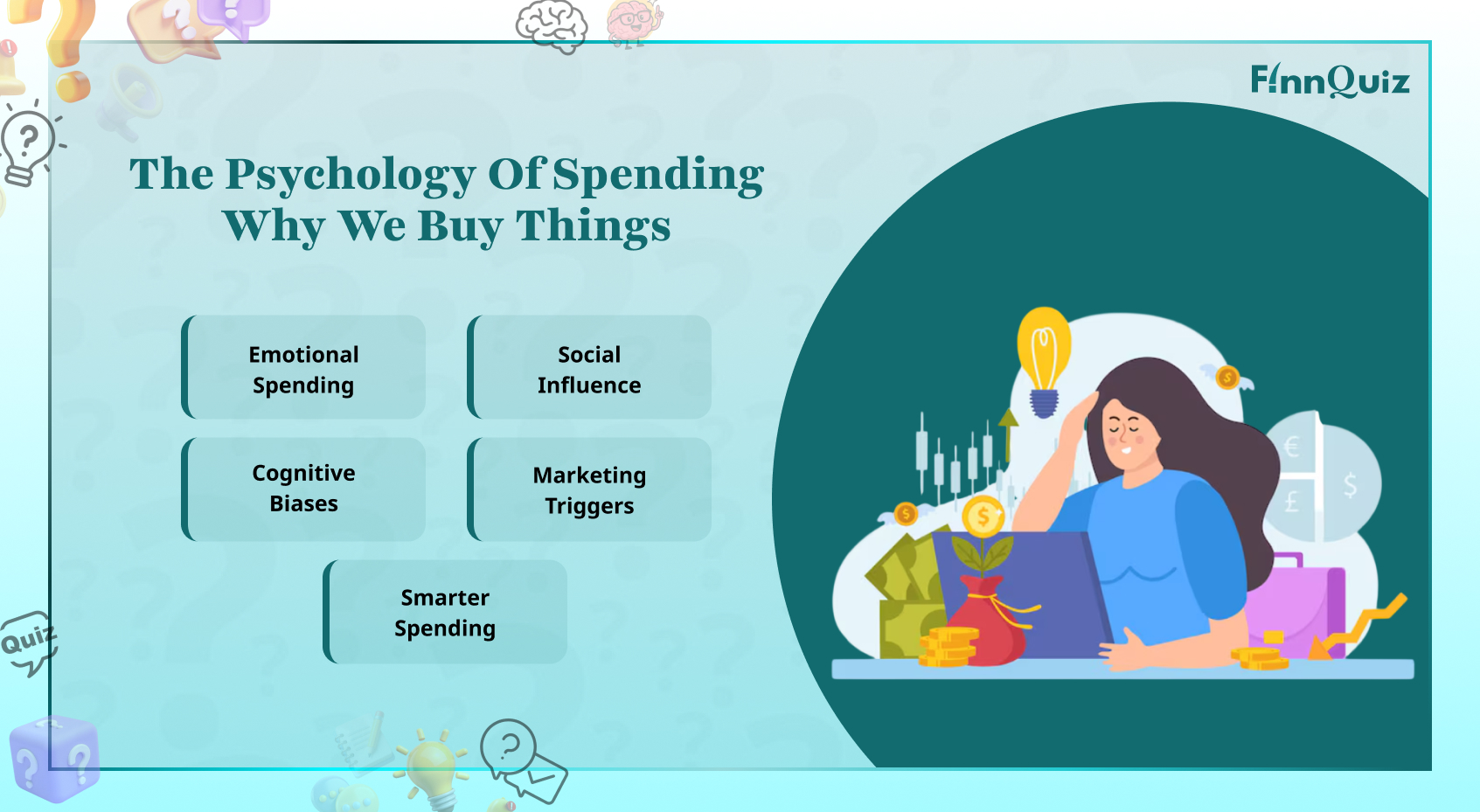
Most purchasing decisions are influenced by emotions rather than logic. While we often believe we buy things because we need them, factors such as happiness, stress, advertising, social influence, and convenience frequently play a bigger role. Understanding the psychology behind spending can help you make smarter financial decisions.
Recognizing why you spend money is the first step toward building healthier financial habits. Once you identify your spending triggers, you can reduce unnecessary purchases and save more consistently.
Emotional Spending
Many people shop when they feel stressed, bored, excited, or sad. Buying something new can provide temporary satisfaction, but the feeling often fades quickly while the expense remains.
The Influence of Advertising
Advertisements are designed to create desire by highlighting emotions, convenience, or exclusivity. Limited-time offers and discounts often encourage impulse purchases that may not be necessary.
Social Pressure and Comparison
Seeing friends, influencers, or coworkers buying new products can create pressure to keep up. Social comparison often leads to spending on items that don't truly improve your financial well-being.
Impulse Buying
Impulse purchases happen without planning. Attractive displays, one-click online shopping, and flash sales make it easy to buy before thinking about whether the purchase fits your budget.
How to Spend More Mindfully
Before making a purchase, ask yourself whether the item is a need or a want. Waiting 24 hours before buying non-essential items can reduce impulsive spending and help you make more thoughtful decisions.
Healthy Spending Habits
- Create and follow a monthly budget.
- Track every purchase.
- Wait before buying non-essential items.
- Avoid shopping when emotional.
- Limit exposure to unnecessary advertisements.
- Set savings goals before spending.
- Use a shopping list whenever possible.
- Review your spending habits every month.
Why Understanding Spending Psychology Matters
Learning why you spend money helps you avoid unnecessary purchases, improve self-control, build better savings habits, and make financial decisions that support your long-term goals instead of short-term emotions.
FAQs
Why do people buy things they don't need?
Emotions, advertising, social pressure, convenience, and impulse often influence purchasing decisions more than actual need.
How can I stop emotional spending?
Identify your emotional triggers, create a budget, avoid shopping during stressful moments, and wait before making non-essential purchases.
What is impulse buying?
Impulse buying is making an unplanned purchase without carefully considering whether you truly need the item.
Can understanding spending psychology improve my finances?
Yes. Recognizing your spending habits helps you make better financial decisions, reduce wasteful expenses, and increase your savings over time.