
Banking
What Are Bank Fees and How Can You Avoid Them?
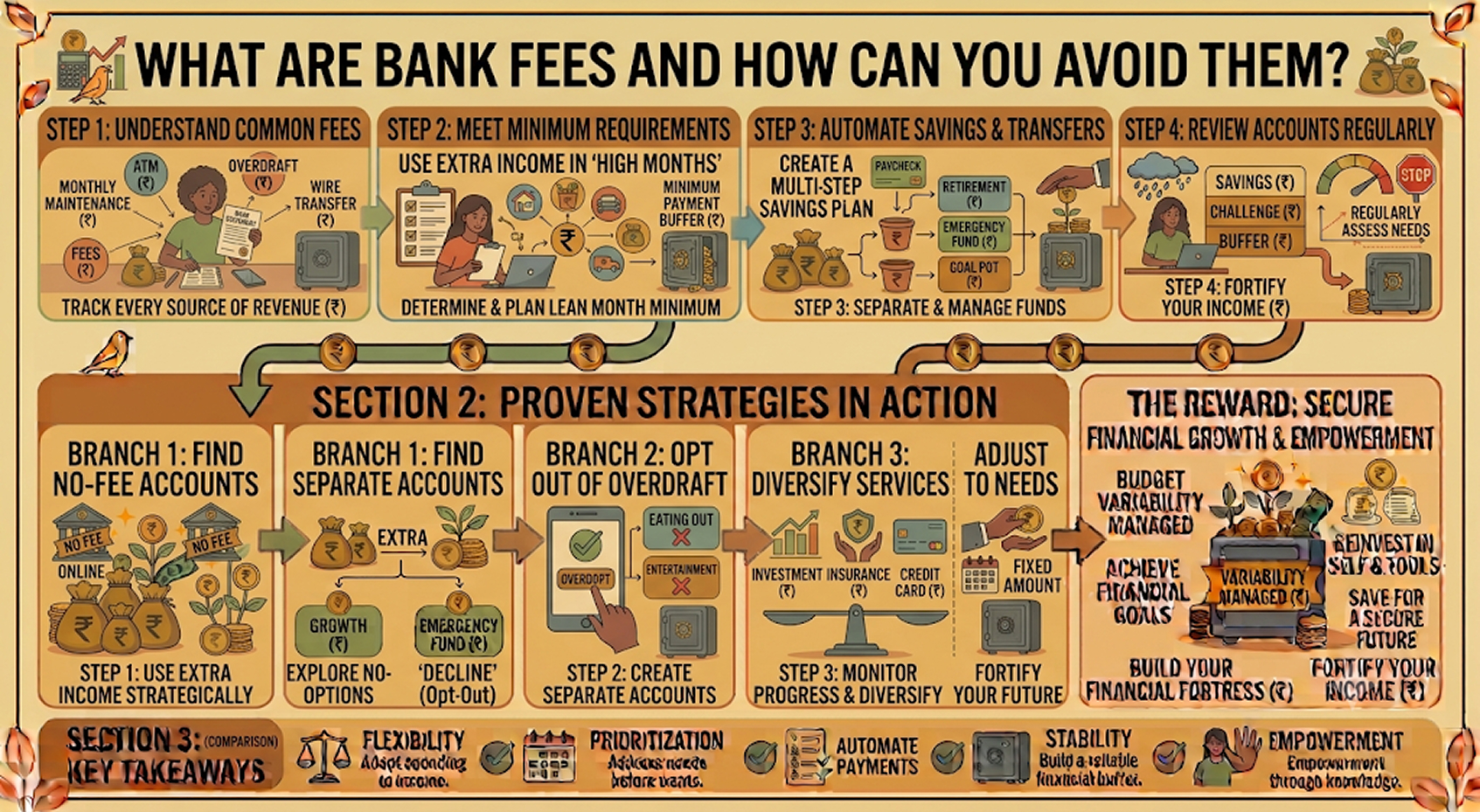
Bank accounts provide a safe place to keep your money and make financial transactions easier, but they may also come with various fees. Understanding these charges can help you choose the right account and avoid paying unnecessary costs.
Many bank fees are avoidable if you know when they apply and follow a few simple banking habits. Reviewing your account terms regularly can help you save money over time.
What Are Bank Fees?
Bank fees are charges that financial institutions apply for certain services or account activities. These fees vary depending on the bank, account type, and how you use your account.
Common Types of Bank Fees
- Monthly account maintenance fees.
- ATM fees for using out-of-network machines.
- Overdraft fees when spending more than your available balance.
- Foreign transaction fees on international purchases.
- Wire transfer fees.
- Paper statement fees.
- Minimum balance fees.
- Account closure or inactivity fees.
Why Do Banks Charge Fees?
Banks charge fees to cover the cost of providing services, processing transactions, maintaining accounts, and offering customer support. Some premium accounts also include additional features that may involve higher fees.
How to Avoid Bank Fees
- Maintain the required minimum account balance.
- Use your bank's ATM network whenever possible.
- Set up account alerts to avoid overdrafts.
- Choose electronic statements instead of paper statements.
- Compare account features before opening a new account.
- Review your monthly bank statements for unexpected charges.
- Avoid unnecessary wire transfers when lower-cost alternatives are available.
- Ask your bank about fee waivers or student accounts.
Choose the Right Bank Account
Not all bank accounts charge the same fees. Before opening an account, compare maintenance fees, minimum balance requirements, ATM access, interest rates, and other account features to find the best option for your financial needs.
Benefits of Avoiding Bank Fees
Reducing unnecessary bank fees helps you keep more of your money, improve your savings, and manage your finances more efficiently. Even small monthly fees can add up significantly over the course of a year.
FAQs
What is the most common bank fee?
Monthly maintenance fees, ATM fees, and overdraft fees are among the most common charges associated with bank accounts.
Can I avoid monthly maintenance fees?
Yes. Many banks waive maintenance fees if you maintain a minimum balance, receive direct deposits, or meet other account requirements.
Why do banks charge overdraft fees?
Overdraft fees are charged when you spend more money than is available in your account and the bank covers the transaction.
Should I compare bank accounts before opening one?
Yes. Comparing fees, features, ATM access, and interest rates can help you choose an account that better fits your financial needs and reduces unnecessary costs.