
Credit
What Is a Credit Score and Why Does It Matter?
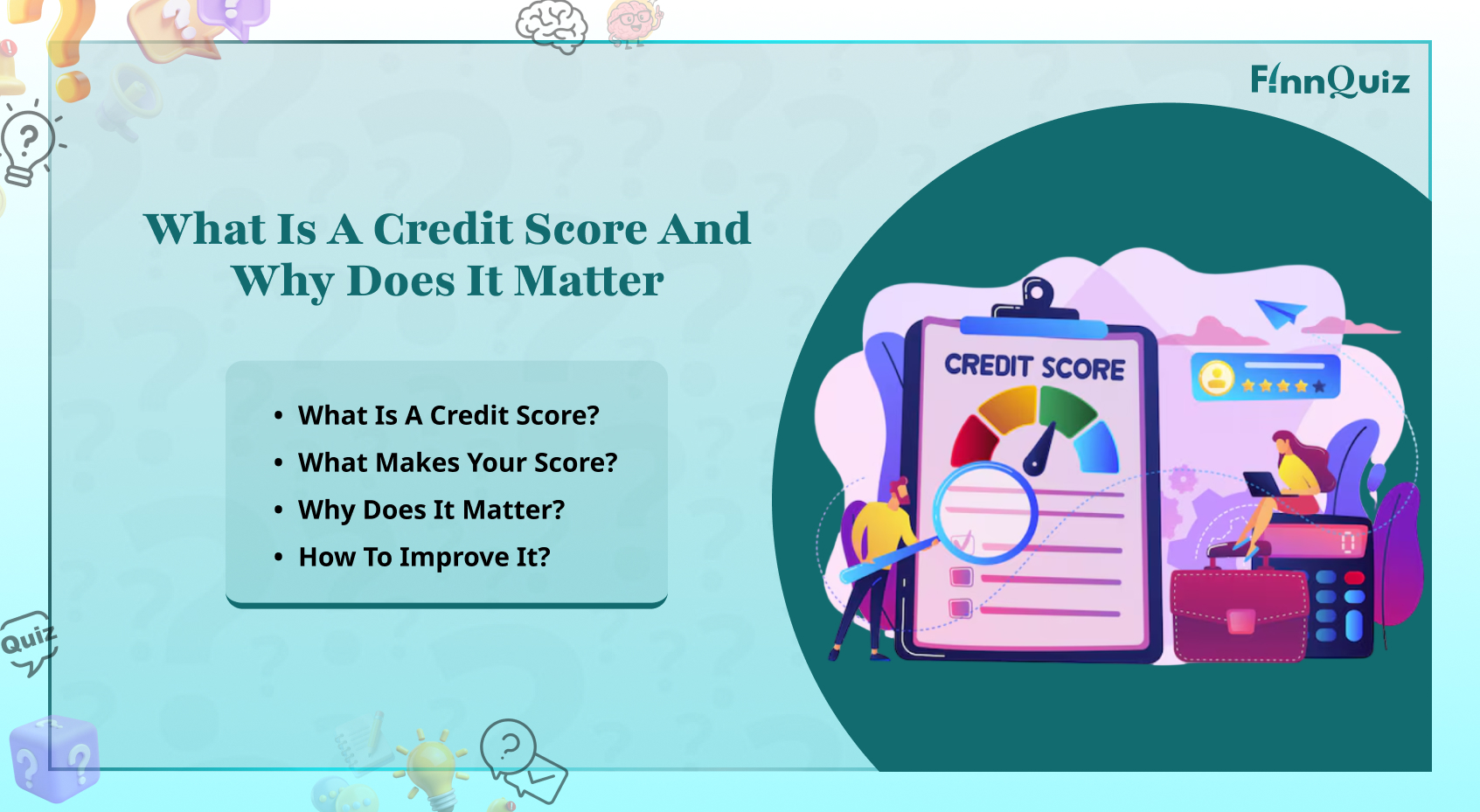
A credit score is a numerical representation of your creditworthiness. It helps lenders estimate how likely you are to repay borrowed money on time. A higher credit score generally improves your chances of qualifying for loans, credit cards, and better interest rates.
Even if you are not planning to borrow money today, maintaining a healthy credit score can benefit your financial future by providing more borrowing options and potentially lower borrowing costs.
What Is a Credit Score?
A credit score is calculated using information from your credit history, including your payment habits, outstanding debt, length of credit history, types of credit accounts, and recent credit applications.
Why Your Credit Score Matters
Banks and lenders often use your credit score to decide whether to approve a loan or credit card application. A strong score may also help you receive lower interest rates and higher borrowing limits.
Factors That Affect Your Credit Score
Your payment history, credit utilization, length of credit history, variety of credit accounts, and number of recent credit inquiries all contribute to your credit score.
How to Build a Good Credit Score
Pay your bills on time, keep credit card balances low, avoid applying for multiple credit accounts within a short period, and maintain older credit accounts whenever possible.
Common Credit Score Mistakes
Missing payments, maxing out credit cards, frequently opening new credit accounts, and ignoring your credit report can negatively affect your credit score.
Tips to Maintain a Healthy Credit Score
- Always pay bills before the due date.
- Keep credit utilization low.
- Review your credit report regularly.
- Avoid unnecessary debt.
- Limit frequent credit applications.
- Maintain older credit accounts when possible.
- Borrow responsibly.
- Monitor your credit score periodically.
Benefits of a Good Credit Score
A healthy credit score can improve your chances of loan approval, reduce borrowing costs, provide access to better financial products, and strengthen your overall financial reputation.
FAQs
What is considered a good credit score?
The definition varies by country and scoring model, but in general, higher scores indicate lower credit risk and better borrowing opportunities.
Does checking my own credit score lower it?
No. Checking your own credit score is usually considered a soft inquiry and does not negatively affect your score.
How long does it take to improve a credit score?
Improvement depends on your financial habits. Consistently paying bills on time and managing debt responsibly can gradually improve your score over several months.
Can I build a credit score without a credit card?
Yes. Responsible repayment of eligible loans and other reported credit accounts may also help establish and improve your credit history.