
Insurance
Why Insurance Is an Important Part of Financial Planning
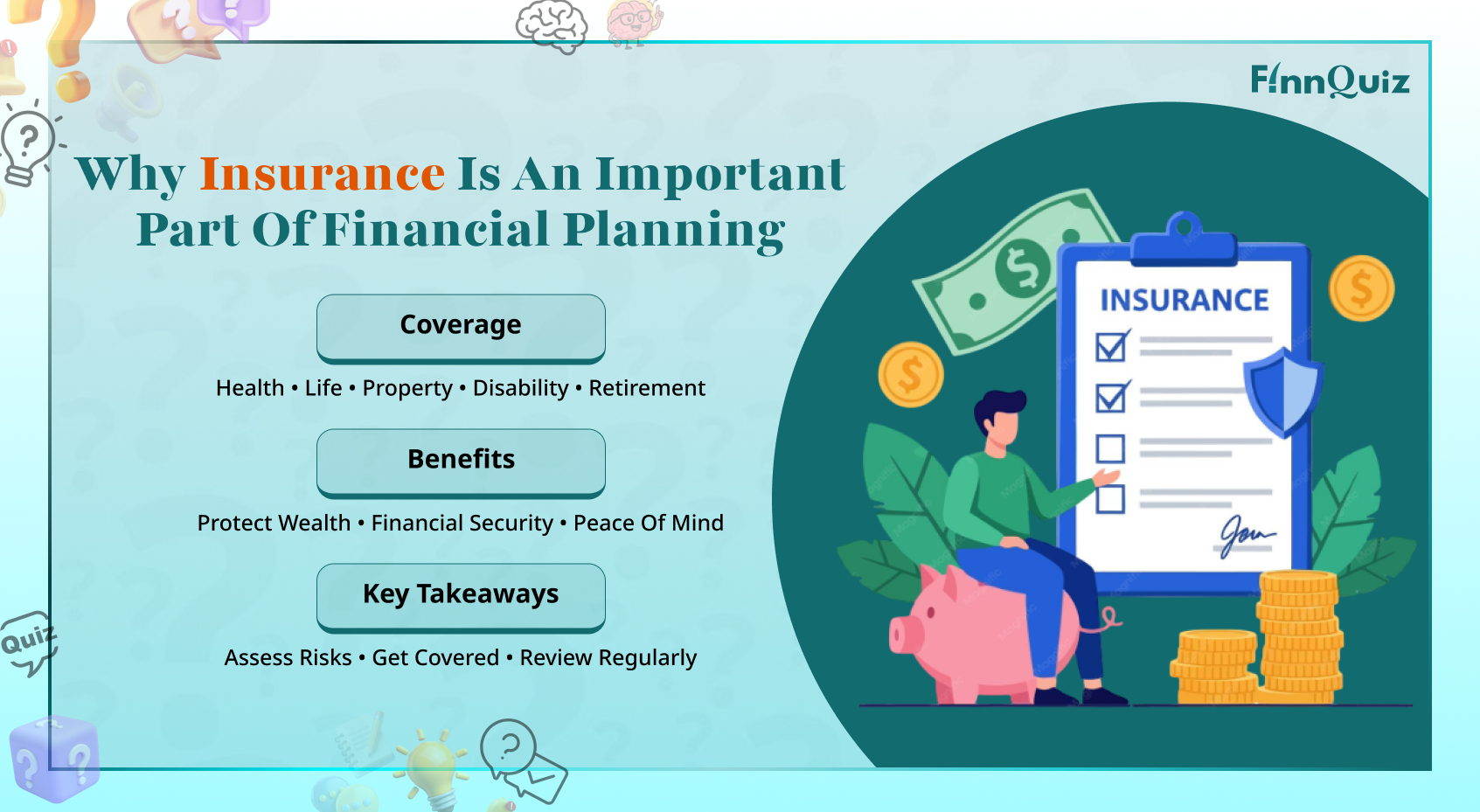
Financial planning is about more than earning, saving, and investing money. It also involves protecting yourself and your family from unexpected financial losses. Insurance provides this protection by helping cover major expenses that could otherwise drain your savings or put you into debt.
Whether it's a medical emergency, a car accident, property damage, or the loss of income due to an unexpected event, insurance helps reduce financial risk. Having the right coverage allows you to focus on your long-term financial goals with greater confidence.
What Is Insurance?
Insurance is a financial agreement between you and an insurance company. You pay regular premiums, and in return, the insurer helps cover eligible financial losses according to the terms of your policy. It acts as a financial safety net during unexpected situations.
Why Insurance Matters
Unexpected events can happen at any time, and they often come with significant costs. Insurance helps prevent these costs from affecting your savings, investments, or everyday finances. Instead of paying the full expense yourself, insurance can cover part or all of the eligible costs.
Protects Your Savings
Without insurance, a single emergency could force you to use the money you've spent years saving. Insurance helps preserve your emergency fund and long-term investments by covering large, unexpected expenses.
Provides Financial Security for Your Family
Some types of insurance are designed to provide financial support to your loved ones if something unexpected happens to you. This can help cover daily living expenses, education costs, or outstanding financial obligations.
Reduces Financial Stress
Knowing that you have insurance coverage can provide peace of mind. Instead of worrying about how to pay for unexpected expenses, you can focus on recovering from the situation while your insurance helps manage the financial impact.
Supports Long-Term Financial Goals
Financial goals such as buying a home, saving for retirement, or funding education become easier to achieve when unexpected events don't completely disrupt your finances. Insurance helps keep your financial plan on track.
Common Types of Insurance
- Health insurance
- Life insurance
- Vehicle insurance
- Home or property insurance
- Travel insurance
- Disability or income protection insurance
How to Choose the Right Insurance
The right insurance depends on your age, family responsibilities, financial goals, and lifestyle. Compare policies carefully, understand what is covered and excluded, review deductibles and premiums, and choose coverage that fits your actual needs rather than simply selecting the cheapest option.
Common Insurance Mistakes
- Waiting too long to purchase coverage.
- Choosing coverage based only on price.
- Not reading the policy terms.
- Buying unnecessary coverage.
- Failing to review policies as your life changes.
Key Benefits of Insurance
- Protects your financial future.
- Reduces the impact of unexpected expenses.
- Safeguards your savings and investments.
- Provides peace of mind.
- Supports your long-term financial planning.
FAQs
Why is insurance important in financial planning?
Insurance helps protect your income, savings, and assets from unexpected financial losses, making it an essential part of a complete financial plan.
Should everyone have insurance?
Most people benefit from having some form of insurance, although the type and amount of coverage depend on individual circumstances and financial needs.
Can insurance replace an emergency fund?
No. Insurance and an emergency fund work together. Insurance covers eligible risks, while an emergency fund helps pay for unexpected expenses that may not be covered.
How often should I review my insurance policies?
It's a good idea to review your coverage annually or whenever major life events occur, such as marriage, having children, buying a home, or changing jobs.